About Caspian
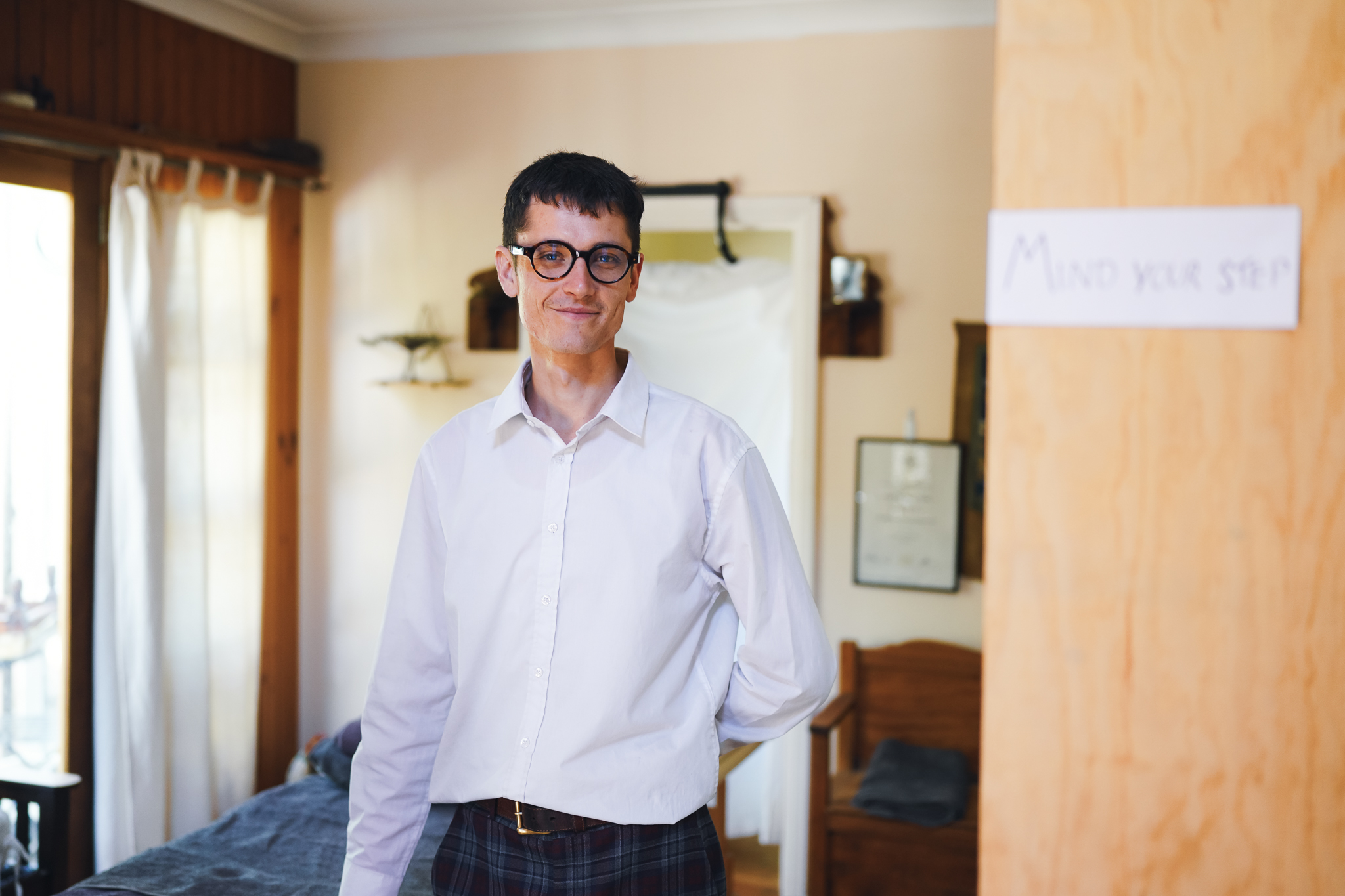
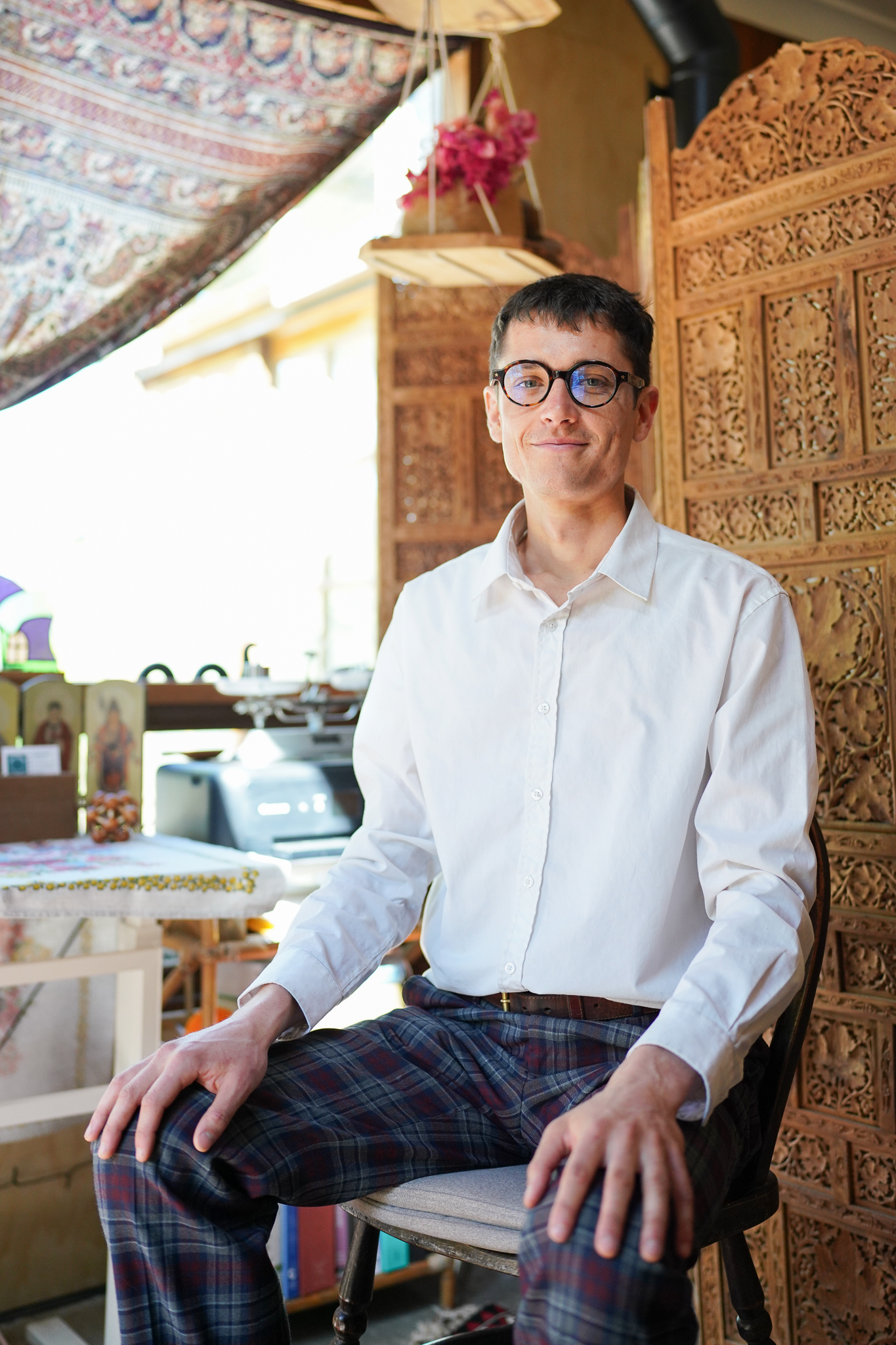
Caspian Helm is a registered Acupuncturist and Chinese Medicine Practitioner and has a Bachelor of Health Science (Acupuncture) from Endeavour College of Natural Health in Adelaide, South Australia. With qualifications in Remedial massage and Tui-Na, and further study in cranio-sacral therapy, Caspian has experience and skill in the treatment of a variety of conditions. Caspian has been practising massage for over a decade and has had several years practising acupuncture, treating people in a wide range of Chiropractic and physiotherapy environs.
Caspian's special interests include:
- Freedom from chronic and acute pain
- Mental-emotional health and wellness
- Addiction/alcoholism
- Digestive complaints
- Insomnia
Education
Qualifications:
- Bachelor of Health Science (Acupuncture), Endeavour College of Natural Health, Adelaide
- Registered with CMBA (Chinese Medicine Board of Australia under AHPRA and AACMA (Australian Acupuncture and Chinese Medicine Association)
- Diploma of Remedial Massage, Endeavour College of Natural Health, Adelaide
Caspian considers the study of Chinese Medicine to be a lifelong endeavour and regularly seeks professional learning opportunities including studying:
- Classical acupuncture seminars with Dr. Ann Cecil-Sterman
- 10 Heavenly Stems and 12 Earthly Branches (Constitutional and Timing Acupuncture) with Dr. Paul Chapman (Integral Freedom, Tasmania)
Chinese Medicine
Chinese Medicine is a safe and effective complimentary therapy, developed over thousands of years and with origins stretching back to distant antiquity.
This holistic, science-based medicine empowers patients to be more connected to their bodies and environment.
Acupuncture activates inherent healing capabilities, enabling our bodies to heal themselves and return to homeostasis. While having the capability to heal existing conditions, Chinese Medicine also helps to prevent illness and disease by strengthening the immune system and detecting problems at an early stage.
A good metaphor is to picture your house gutters, which you need to clean regularly and remove the leaves! Circulation is key to removing blockages, and ensure the free flowing and approprate direction of fluids, blood and Qi so that our internal organs can work optimaly and we can return to a state of vitality.
Services - Yang Sheng Nourishing Life
A tenant of Chinese Medicine is to 'nourish life' through stimulating Qi energy, encouraging blood circulation within the body's channels, tissues, organs and cells. The practice aims to nourish Zheng (upright Qi) Yuan (original Qi) via warmth and movement which supports life and vitality.
Treatment Fees
Bio Meridian Massage
✓ Self managed NDIS clients welcome
Treatment Techniques
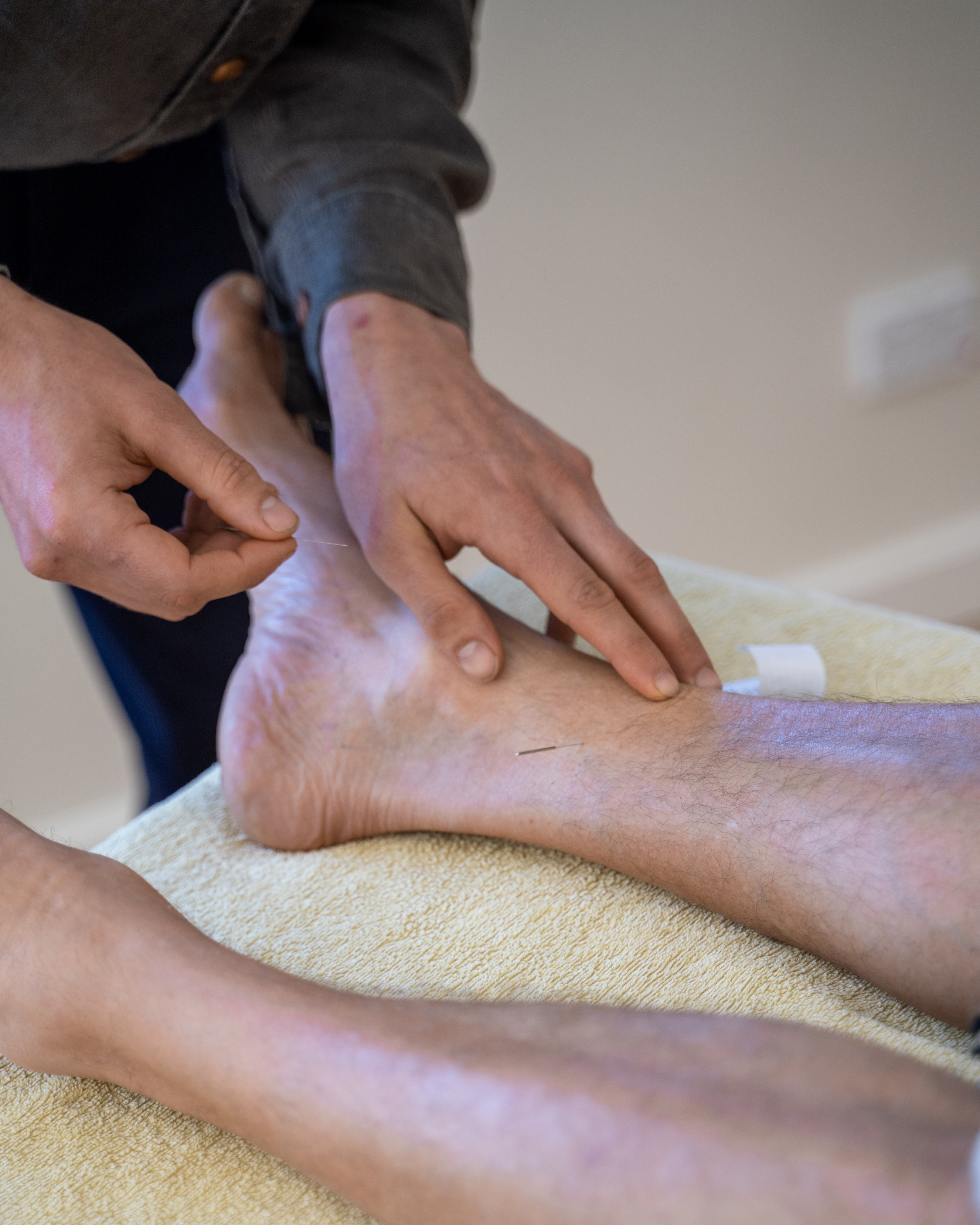
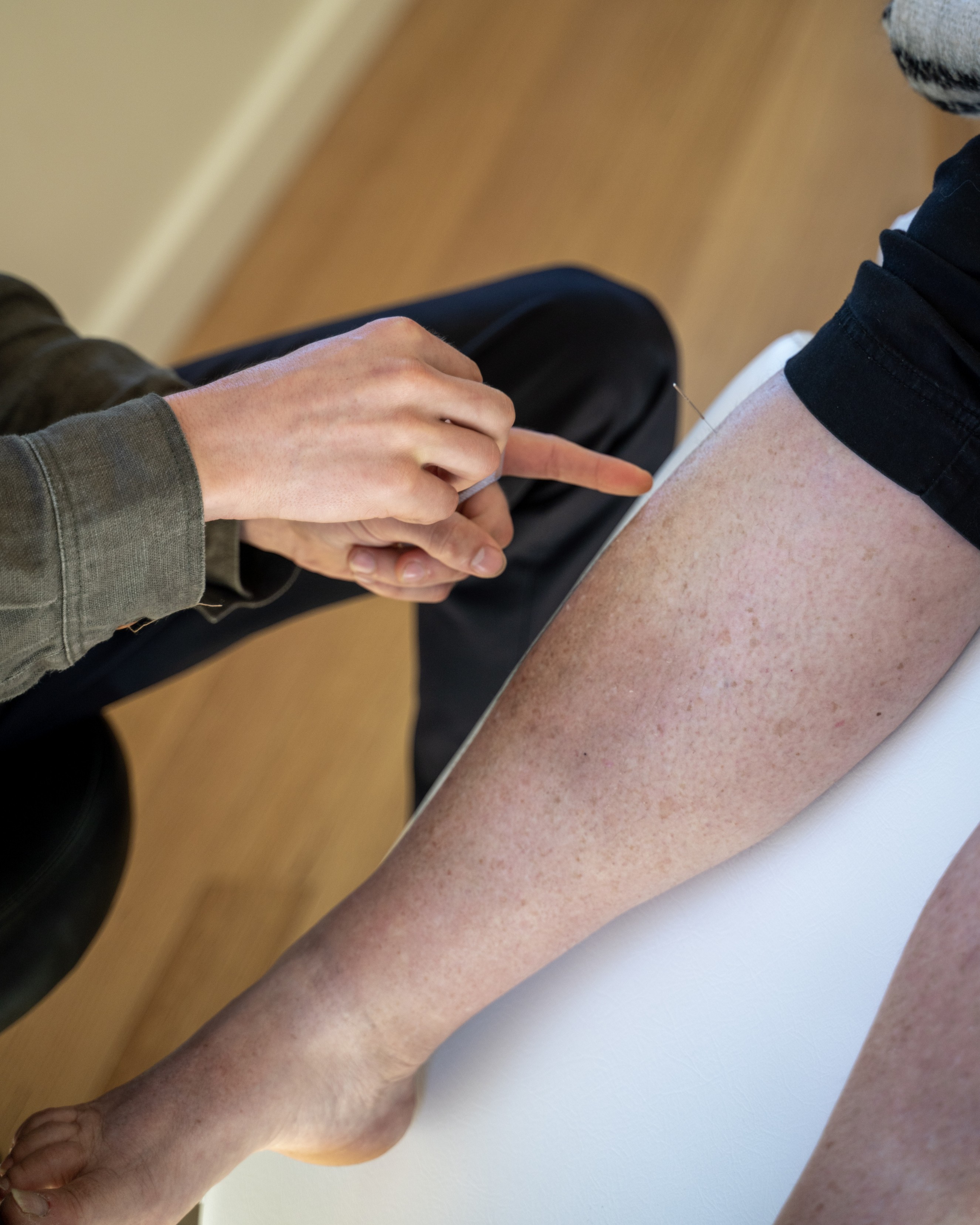
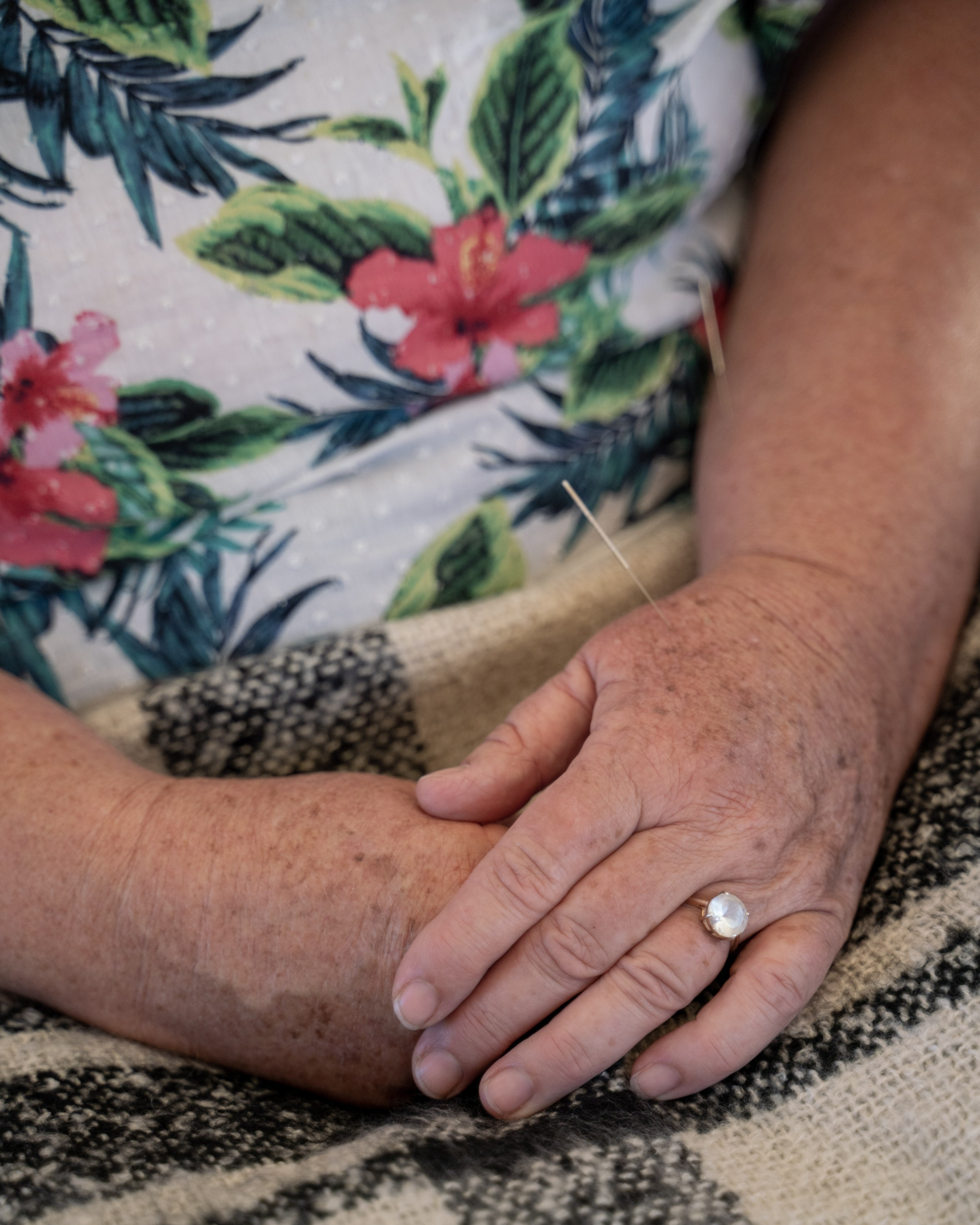
The use of fine filiform single use needles to stimulate Acu-points along the channels/meridians of the body. This may move blocked Qi (Chi) energy, and direct the Qi and Blood to where it is needed. This can have effects such as; calming the nervous system, quieting and regulating the mind/emotions, addressing acute and chronic pain, digestive complaints, sleep disturbance, and many other applications.
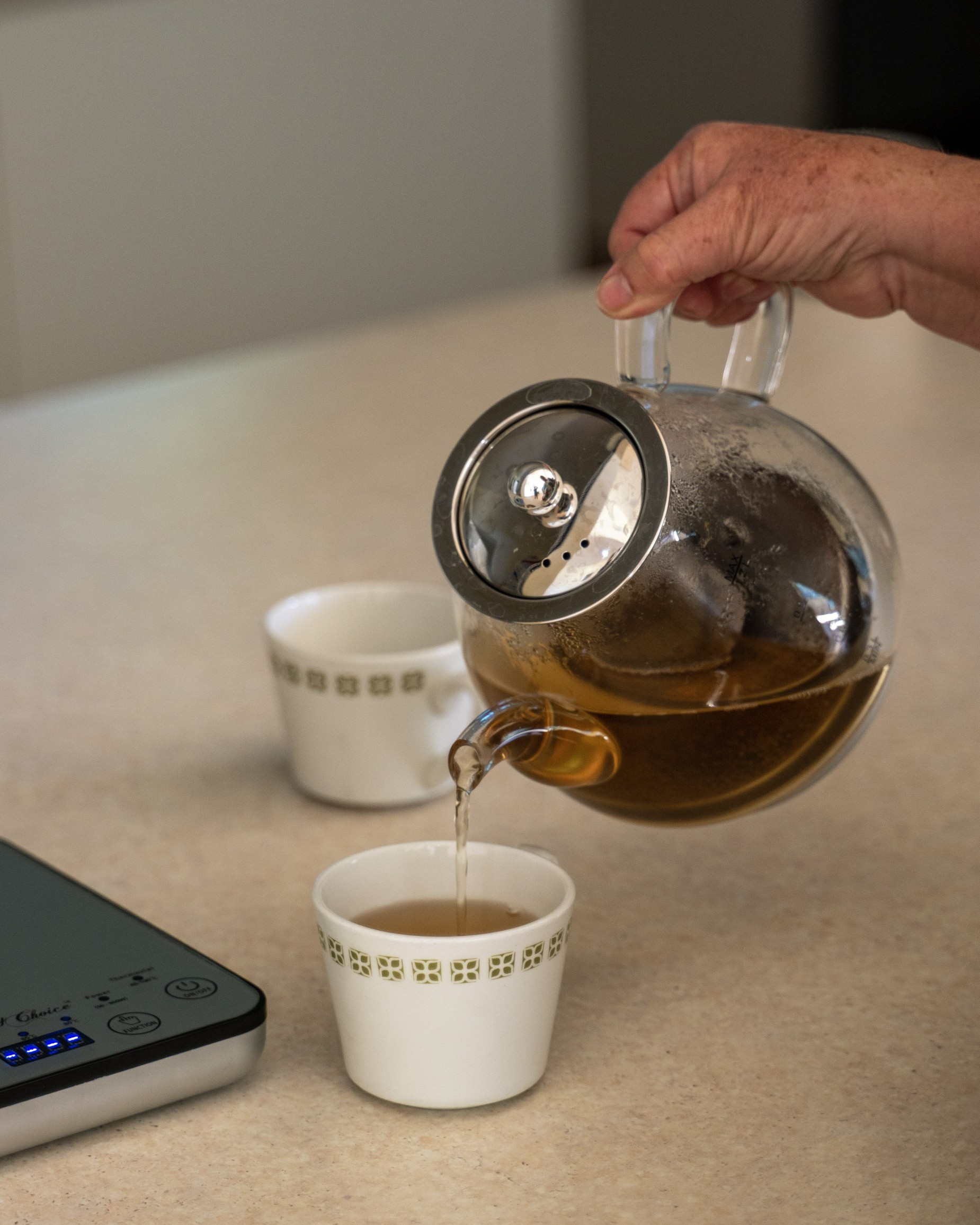
The dried herb Mugwort Artemisia vulgaris is used over certain Acu-points along the channels/meridians of the body. The unique and penetrative warmth stimulates Qi and Blood, nourishes Qi, and can be useful in any condition that has a basis of cold, or deficiency of Qi/Yang. This can include digestive complaints, diarrhea, chronic tiredness, weak immune system, menstrual cramps and dysmenorrhea, lack of Libido. A heat lamp is also utilized for a similar effect.
Cupping may assist with acute injuries, sport injuries, chronic pain, digestive complaints, sleep issues, depression, anxiety and general stress. Cupping works by providing suction and movement, thereby increasing circulation of Blood and lymph fluids to provide an ellimination of metabolic waste or other toxins. This modality may be included in your chinese medicine consult if deemed necessary by the physician.
Therapeutic massage techniques are used to release tension, improve circulation, and promote relaxation. Drawing on Caspian's background in Remedial Massage, this modality complements Acupuncture and other treatments to support the body's natural healing process and restore balance.
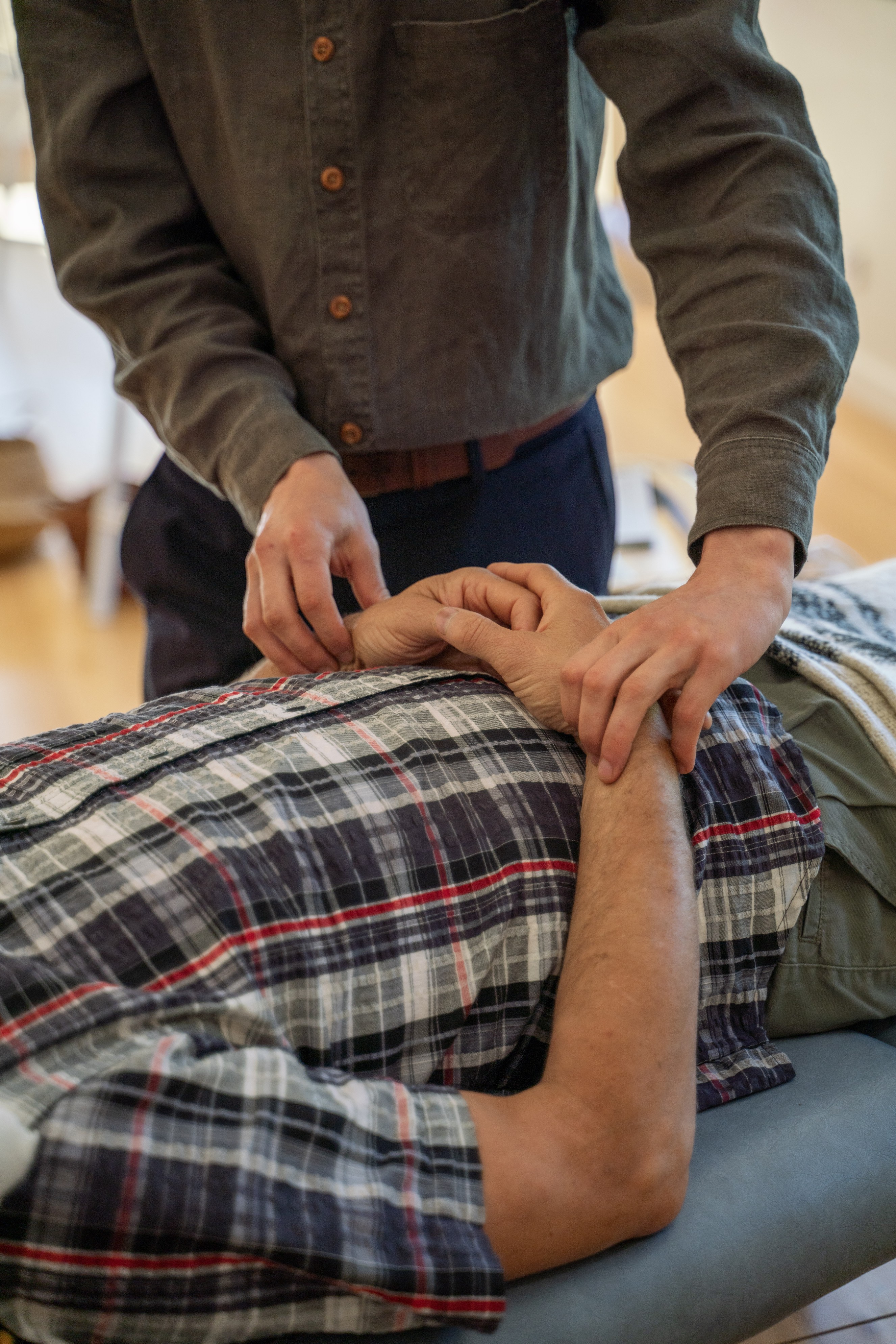
Bio-meridian massage is based on Chinese medical massage and Tui-Na (Push-grasp) methods, gentle mobilsations and acu-pressure. This stimulates the meridians and acu-points to effect the soft tissues (muscles, ligaments, tendons). The practitioner combines these techniques with meditative Nei-gong (internal skill) practices which can influence the Qi and blood circulation, thereby removing blockages, and restoring homeostasis and the bodies natural ability to heal.
Bio-meridian massage may help with acute injuries, sport injuries, chronic pain, digestive complaints, sleep issues, depression, anxiety and general stress. Balms and linements may be used to further help with the healing process. The practitioner may deem it appropriate to include a few minutes of Bio-meridian massage in your chinese medicine consult, however a seperate session may also be booked for experiencing this wonderful modality as a standalone treatment.
The practitioner may direct the patient in one or more Qi gong or breathing practices. This can have a host of benefits if practiced regularly and will increase the patients wellbeing, mental health and resistance to colds and flus.
Dietary changes may be suggested in conjunction with your chinese medicine consult. These changes are based on simple principles which align with the tenant Yang Sheng 'Nourishing Life' and are principly warm easily digestible foods which hydrate and provide lasting energy. They are usualy introduced slowly so that they can be integrated into every day life.
What is Classical Acupuncture?
Classical acupuncture is a complete medical framework true to its original form which has its roots in Daoism. Classical acupuncture utilises acupuncture needles in specific points on the body, which influences the entire body, organs, muscles, tendons, ligaments, bones, mental emotional sphere and spiritual aspects of a human being. It incorperates all 68 channels/meridians. It differes from modern acupuncture which focuses primarily on the 12 primary channels, or Western acupuncture which stimulates trigger points and does not entertain the idea of energy pathways at all.
A core belief is that the individual heals themselves, and the physisians role is to support this healing with awareness and practical knowledge. Chinese medicine is wellness focused rather than disease focused.
Classical acupunture takes a highly individualised approach to treatment with information based on palpating the wrist pulse, asking questions, feeling the body tissues, and observing the patient to determine the best course of treatment.
This framework and medical system is based heavily on the classical texts in particular 'The Yellow Emperor's inner classic - Huang Di Nei Jing', compiled over 2,200 years ago and revised in the Han Dynasty (206 BC-220 AD), which includes complete medical theory and explanation of the cause and progression of disease in the body, treatment techniques and guides to living in accordance with the seasons, diet and movement to cultivate health and longevity.
The upmost importance in learning and honouring this medical art science is experience, further self cultivation and study, in addition an essential aspect is direct transmission and learning from the great teachers of this wonderful medicine. Caspian has had the great privilage to study with Ann-Cecil Sterman, herself a student of Jeffrey C. Yuen a generational Daoist Master, scholar, and practitioner of Classical Chinese Medicine.
Classical acupuncture treatements are effective. One can expect to see noticeable results and change after the first treatment, at times chronic conditions may take up to 3 treatments to notice a change. The results can be strengthened if dietary, sleep wake cycles, and other lifestyle habits are shifted to support optimal healing, and vitality. It is adviseable that regular sessions are maintained to manage any symptoms of chronic complaints, or as a prophylactic measure against ill health.
Where is the evidence?
Based on Mcdonald, J and Janz, S (2017) The Acupuncture evidence project, a comparitive literature review, conditions with strong evidence supporting the effectiveness of acupuncture are as follows:
Allergic Rhinitis, knee osteoarthritis, chemotherapy-induced nausea, migraine prophylaxis, chronic low back pain, post-operative nausea and vomitting and pain, headache
Moderate evidence suggests Acupuncture may help with:
Acute low back pain, acute stroke, anxiety, asthma in adults, back or pelvic pain during pregnancy, cancer pain, cancer related fatigue, constipation, depression (with anti-depressants), hypertension (with medication) insomnia, IBS, labour pain, lateral elbow pain, menopausal hot flushes, neck pain, obesity, plantar heel pain, post stroke spasticity, PTSD, prostatitis, chronic pelvic pain syndrome, restless leg, schizophrenia (with anti-psychotics) sciatica, shoulder impingement syndrome (with exercise) shoulder pain, smoking cessation (up to 3 months) Stroke rehabilitation, temporomandibular pain (TMJ pain)
Reference: http://www.acupuncture.org.au
These are just some of the conditions which Acupuncture may help to treat and due to the nature and Individualised nature of chinese medicine treatments it can be difficult to reproduce in controlled clinical trials to acertain benefits. Based on thousands of years of empirical evidence, we just know it works but the real evidence is direct experiential evidence, which means you have to see if it works for you!